Commercial analytics serves as a crucial tool for organizations identified by 27971643, 120173303, 6988675962, 621624517, 926004608, and 8662847625. This systematic analysis of business data reveals significant market trends and consumer behaviors. Such insights facilitate informed decision-making, enhancing operational strategies. However, the effectiveness of these analytics hinges on specific metrics and methodologies. Understanding these elements is vital to unlocking the full potential of commercial analytics. What implications could this have for their competitive positioning?
Understanding Commercial Analytics
Commercial analytics encompasses the systematic examination of data related to business operations, market trends, and consumer behavior.
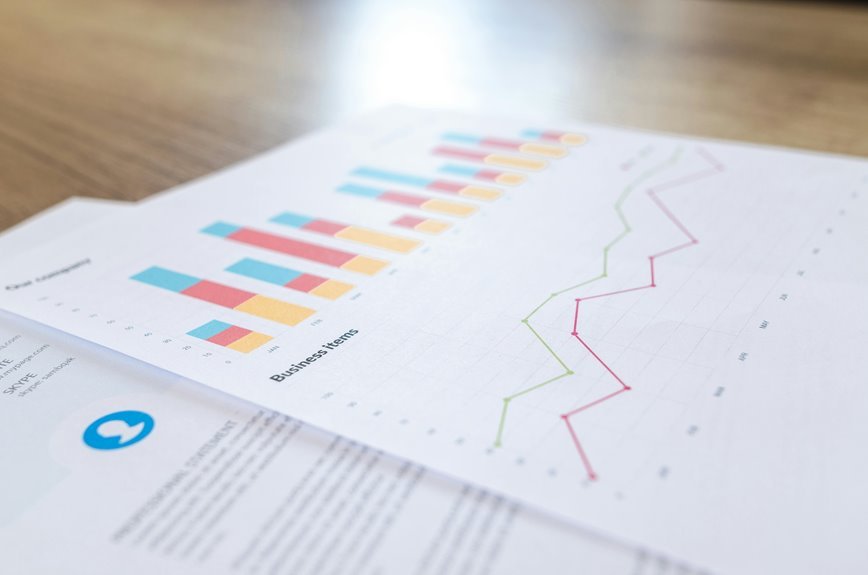
This field leverages data visualization techniques to present complex datasets clearly, enabling stakeholders to discern patterns and insights.
Additionally, predictive modeling forecasts future trends based on historical data, empowering businesses to make informed decisions that enhance strategic planning and operational efficiency, fostering a sense of autonomy in navigating market dynamics.
Key Identifiers and Their Significance
Although various metrics are utilized in business analytics, key identifiers play a crucial role in shaping strategic decisions and operational effectiveness.
By establishing unique markers for data relevance, organizations can enhance their ability to analyze patterns and trends.
These identifiers streamline data processing, ensuring that decision-makers access pertinent information, ultimately fostering a more informed and agile business environment conducive to growth and adaptability.
Metrics and Trends in Commercial Analytics
Numerous metrics serve as vital indicators in commercial analytics, providing insights that drive business performance and strategy.
Key trends include enhanced data visualization techniques that simplify complex datasets, enabling clearer decision-making.
Additionally, predictive modeling has emerged as a powerful tool, forecasting future performance based on historical data.
Together, these elements empower organizations to navigate market dynamics with greater agility and informed foresight.
Optimizing Business Performance Through Data Insights
Harnessing data insights is crucial for organizations seeking to optimize business performance.
By focusing on data-driven decisions, companies can identify inefficiencies, enhance operational strategies, and improve customer engagement.
Performance optimization becomes attainable through the systematic analysis of relevant metrics, enabling organizations to adapt swiftly to market changes.
Ultimately, leveraging these insights fosters a culture of agility and informed decision-making, driving sustained growth and competitiveness.
Conclusion
In conclusion, commercial analytics serves as a compass guiding organizations like 27971643, 120173303, and others through the turbulent waters of market dynamics. By leveraging data visualization and predictive modeling, these entities can navigate towards informed decision-making and enhanced customer engagement. The insights drawn from their data not only illuminate current trends but also pave the way for future opportunities, ultimately transforming challenges into stepping stones for sustained business growth and competitive advantage.