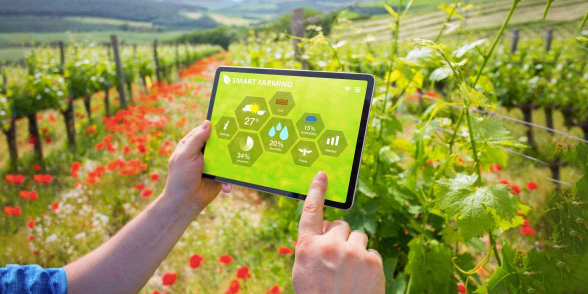
The integration of technology in sustainable agriculture presents a transformative approach to farming practices. Precision agriculture, innovative irrigation methods, and advanced data analytics are reshaping how resources are managed. These innovations not only enhance crop yields but also promote environmental stewardship. As the agriculture sector faces increasing pressures from climate change and resource depletion, understanding these technologies becomes crucial. What specific advancements are leading this shift, and how do they impact the future of food production?
Understanding Precision Agriculture and Its Benefits
Precision agriculture represents a transformative approach to farming, leveraging advanced technologies to optimize field-level management regarding crop farming.
By focusing on soil health and utilizing data-driven insights, farmers can enhance yield optimization while minimizing resource use.
This innovative methodology empowers growers to make informed decisions, fostering sustainable practices that promote both environmental stewardship and economic viability.
Ultimately, it grants them the freedom to thrive in a competitive market.
Innovative Irrigation Techniques for Water Conservation
A multitude of innovative irrigation techniques are emerging as crucial solutions for water conservation in agriculture.
Drip irrigation systems optimize water usage by delivering precise amounts directly to plant roots, minimizing waste.
Additionally, rainwater harvesting captures and stores precipitation, providing a sustainable water source.
Together, these methods promote efficient resource management, empowering farmers to enhance productivity while safeguarding vital water supplies for future generations.
The Role of Drones and Data Analytics in Crop Management
Utilizing drones and data analytics is revolutionizing crop management by providing farmers with unprecedented insights into their fields.
Drone technology enables efficient data collection, allowing for real-time monitoring of crop health, soil conditions, and pest outbreaks.
This innovative approach empowers farmers to make informed decisions, optimize resource use, and enhance productivity, ultimately fostering a sustainable agricultural environment that champions freedom and autonomy in farming practices.
See also: Technology and the Rise of Remote Work
Sustainable Practices Enabled by Technology: Real-World Examples
Technological advancements are paving the way for sustainable agricultural practices that significantly reduce environmental impact while enhancing productivity.
Vertical farming utilizes smart sensors to monitor conditions, optimizing water and nutrient use. This innovative approach not only minimizes land usage but also reduces transportation emissions by facilitating local food production.
Real-world examples illustrate how these technologies empower farmers to adopt environmentally responsible methods.
Conclusion
In conclusion, the integration of technology in sustainable agriculture is not merely a trend but a vital evolution, akin to planting seeds for a greener future. By harnessing precision agriculture, innovative irrigation, and data-driven insights, farmers are equipped to cultivate resilience in an ever-changing climate. As these practices take root, they promise not only to enhance productivity but also to nurture the planet, ultimately yielding a harvest of benefits for both agriculture and the environment.