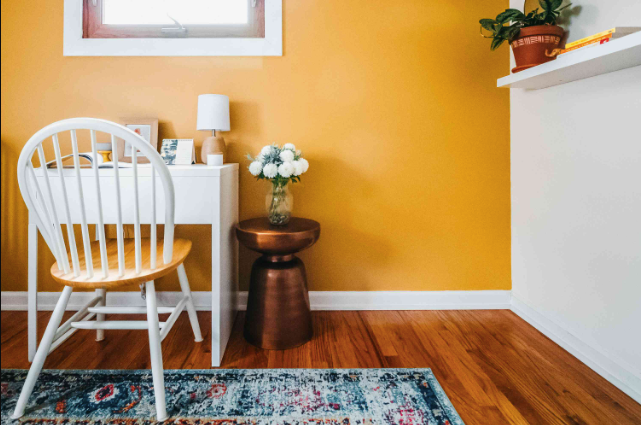
Choosing the perfect paint color begins with noticing how light shifts, textures soften, and neighboring surfaces whisper a mood. Colors are not fixed; they evolve with temperature and sheen. A clear plan—assess temperature, match finish to intent, and test restrained samples—frames the choice. The method narrows options and reveals subtle tensions. If a room speaks in tentative harmonies, there may be a quiet path forward, awaiting a decisive moment that changes everything.
What Makes a Color Feel Right in a Room
Color in a room derives its impact not from a single hue but from the relationship among walls, light, and texture. The chosen color communicates through color psychology, shaping mood and perception. Subtle variations in hue interact with lighting effects, altering warmth, contrast, and clarity. A room gains personality when saturation, depth, and ambient glow align with purposeful intent.
How to Test Paint Colors in Real Life
Testing paint colors in real life requires moving beyond swatches to observe how candidates behave under actual lighting and in the room’s textures. The process centers on testing lighting conditions, swatch sampling techniques, exploring finishes, and color harmony considerations, ensuring a truthful read. A detached, focused approach preserves freedom while guiding careful, creative judgment across surfaces and time.
The 3-Step Palette Framework for Cohesive Looks
A practical path from observing real-life tests leads to a structured method for building harmony: the 3-Step Palette Framework for Cohesive Looks.
Step one assesses color temperature across spaces; step two aligns finish texture with lighting and purpose; step three tests with restrained samples, refining contrasts.
The framework promotes freedom, clarity, and intentionality in achieving balanced, expressive environments.
Practical Tips to Finalize and Commit to a Color
Will the final choice endure beyond trend and room-specific mood, or crumble under future preferences? Practical tips urge deliberate steps: sample widely, observe at different times, and document reactions. The idea lighting impact shapes perception, while color psychology guides emotional resonance. Commit by awarding the color a provisional period, then reassess, ensuring alignment with aesthetics, function, and personal freedom.
Frequently Asked Questions
How Do Lighting and Color Temperature Affect Mood?
Lighting and color temperature cues shape mood through lighting psychology; warmer daylight impact evokes coziness, cooler tones energize, while paint finishes modulate reflection. The audience experiences freedom as daylight affects ambiance, textures, and perceived space amid variable color temperature cues.
See also: Technology for Sustainable Agriculture
Can Color Perception Vary Across Different Cultures or Ages?
Color perception can vary across cultures and ages, shaped by experience and symbolism; cultural differences influence interpretation, while aging alters sensitivity. This phenomenon, a tapestry of perception, invites openness, as color meaning shifts with time and context.
What’s the Best Budget-Friendly Way to Repaint a Room?
A budget-friendly repaint can refresh a space without excess cost, enabling a room transformation on modest means. It emphasizes planning, supplies, and finishing touches, guiding the reader toward practical, creative choices for a liberated, affordable renovation. Budget friendly repaint fosters room transformation.
How Often Should You Repaint to Maintain Color Longevity?
Repaint frequency depends on wear, sunlight, and room use, but generally every 5–7 years preserves color longevity. Satirical rhythm aside, the practice honors color longevity while guaranteeing the space remains vibrant for the free-spirited audience.
Do Ventilations and Indoor Air Quality Influence Color Choice?
Ventilation impact and air quality influence color choice; spaces with better airflow favor lighter, cooler tones, while stagnant environments may benefit deeper hues to mask odor and ensure comfort. The detached observer notes practical, freedom-loving criteria guiding selections.
Conclusion
In rooms, color travels—light shifts, texture whispers, neighbors influence. Assess temperature, align finish, test restrained swatches; repeat until harmony settles. Observe morning glow, afternoon neutrality, evening warmth, and night’s shadow, noting each impression. Decide provisional tones, document reactions, and defer final judgment to a dedicated period. Reassess for balance, resonance, and lasting comfort, revising as needed. See intention in the palette, intent in the room, intention in the viewer. See mood unfold, feel consistency emerge, feel finish unite.